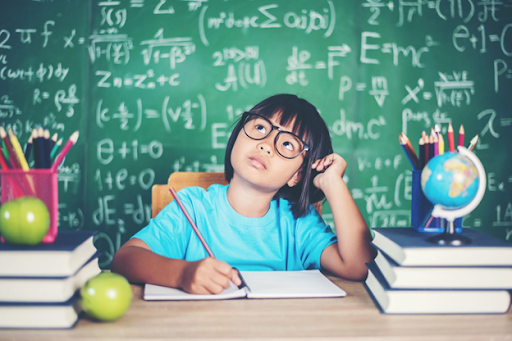
Math is often considered a subject made up of rules and numbers, but students learn more effectively when those concepts connect to the world around them. Educators like David Shilkitus emphasize that when math is linked to everyday situations, students develop stronger reasoning skills, build confidence, and understand the purpose behind what they’re learning. Instead of memorizing formulas without context, students begin to recognize math as a practical tool for problem-solving.
Real-life connections help transform math from something abstract into something students can see, touch, and apply. This shift not only improves comprehension but also boosts motivation and curiosity, two elements that are essential for long-term academic success.
Why Real-World Math Matters for Grades 3-8
During the middle elementary years, students form their foundational understanding of how math works. If lessons feel disconnected from daily life, many students begin to lose interest or experience unnecessary frustration. Real-world applications help bridge this disconnect by showing students that math is part of everything they do: shopping, cooking, traveling, organizing, building, and even playing games.
These connections make math feel more familiar. When students see examples related to their lives, they’re naturally more willing to participate, ask questions, and think critically. This relevance helps strengthen retention, allowing concepts to stick long after the lesson ends.
Making Math Concrete Through Everyday Scenarios
Real-life examples are a powerful way to make abstract ideas more concrete. Teachers often introduce familiar situations to help students visualize what they’re learning. Some of the most effective examples include:
1. Budgeting and Money
Students might compare prices, calculate discounts, or plan a small shopping list with a set budget. These activities teach arithmetic, percentages, and decision-making in a way that feels immediately useful.
2. Cooking and Recipes
Measuring ingredients, doubling recipes, or adjusting servings provides a practical lesson in fractions, ratios, and units of measurement.
3. Travel and Navigation
Using maps to calculate distances or travel times helps students understand coordinates, decimals, and estimation while connecting math to real movement.
4. Sports and Games
Tracking scores, analyzing averages, or studying player statistics turns math into something enjoyable and connects it to students’ interests.
5. Building and Design
Tasks involving shapes, area, or perimeter allow students to visualize geometry through hands-on creation.
These activities clarify concepts and encourage students to apply their thinking in flexible ways.
Real-Life Math Improves Problem-Solving Skills
Mathematics isn’t just about solving equations; it’s about understanding how to analyze situations and make informed decisions. Real-world examples help students develop these skills naturally.
When students tackle problems that resemble everyday scenarios, they practice:
- Identifying relevant information
- Breaking down a problem into steps
- Estimating before calculating
- Checking answers to ensure they make sense
- Explaining their reasoning
These habits mirror how adults solve problems outside the classroom, whether comparing cell phone plans, measuring for a home project, or planning a trip.
By learning math through authentic situations, students also gain a more profound awareness of how they use numbers daily, even when they don’t realize it.
Boosting Engagement Through Relevance
One of the greatest advantages of real-life math is improved engagement. When students understand why a lesson matters, they naturally become more invested in learning it.
For example:
- A student uninterested in fractions might suddenly engage when asked to design a personal pizza using fractional slices.
- A student confused by decimals might grasp the concept quickly after seeing how they appear on price tags or digital clocks.
- A student struggling with word problems might succeed once the scenarios reflect activities they recognize, like sports or school events.
This relevance shifts math from something intimidating to something approachable.
Supporting Different Learning Styles
Students learn in different ways. Some thrive through visual aids, while others need movement, conversation, or hands-on tasks. Real-life math creates opportunities for all of these learning styles to thrive.
Visual Learners
Benefit from charts, maps, diagrams, and real-world models.
Kinesthetic Learners
Respond well to activities like measuring classroom objects, creating designs, or building shapes.
Auditory Learners
Excel when discussing scenarios, explaining solutions, or participating in group problem-solving.
Collaborative Learners
Teams completing real-life tasks, such as planning a school event or analyzing data, engage more deeply.
Real-world math allows teachers to diversify their instruction, giving every student a chance to learn in a style that works for them.
How Teachers Bring Real Life Into the Classroom
Educators are continually creating new ways to make math meaningful. Some common strategies include:
Project-Based Learning
Students might plan a pretend vacation, design a small business, or build a model city. These long-term activities require math at every step and encourage creativity.
Math Journals
Students record daily math observations like tracking weather, analyzing candy counts, or comparing walking distances.
Classroom Simulations
Activities like running a classroom store or planning a charity fundraiser provide students with practical experience with percentages, budgeting, and data analysis.
Technology Integration
Students can introduce math in an interactive way by using apps that simulate real-world challenges, such as tracking daily steps, following recipes, or managing virtual money.
These methods help students develop independence, curiosity, and confidence.
The Long-Term Impact of Real-World Math Connections
Real-life math doesn’t just help students understand the day’s lesson. It builds life skills that extend far beyond school walls.
Students who learn math using relevant examples typically develop the following skills:
- Better critical thinking
- Stronger numerical confidence
- Clearer reasoning abilities
- Improved decision-making
- A willingness to tackle unfamiliar problems
These skills benefit them in future math classes, in other academic subjects, and in everyday life.
Students also develop an appreciation for the subject. Instead of seeing math as a set of rules to memorize, they recognize it as a powerful tool that helps them understand the world.
Conclusion
Connecting math to real life helps students build stronger foundations, improve problem-solving skills, and stay engaged in the learning process. By exploring familiar examples and practical scenarios, students develop a deeper appreciation for math and gain the confidence needed to apply it both inside and outside the classroom.
As classrooms continue to evolve, real-world connections will remain a valuable way to make math meaningful, approachable, and relevant for every learner.