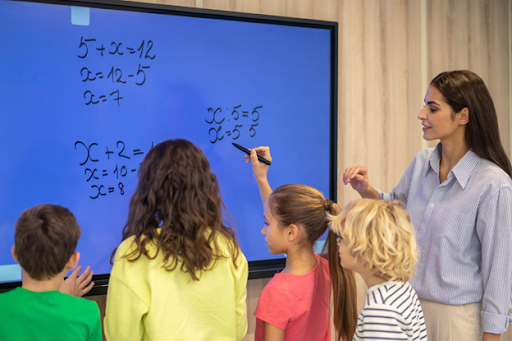
Modern classrooms have made hands-on learning a major focus, particularly for grades 3–8, and educators like David Shilkitus emphasize that these foundational math skills shape students’ understanding and application of concepts later in life. Math becomes more approachable when learners can physically interact with ideas, explore patterns, and connect abstract concepts to real-world situations. Instead of relying solely on memorization or textbook exercises, students gain confidence through activities that involve movement, discussion, and creative problem-solving.
In many ways, hands-on learning is helping reshape math education. As teaching methods evolve to match how today’s learners absorb information, this style of engagement is proving to be one of the most effective tools for skill-building and long-term comprehension.
Why Hands-On Learning Matters in Math
Math can sometimes feel overwhelming for students, not because the content is too advanced, but because the concepts are too distant from everyday experiences. Hands-on learning bridges that gap by giving students the chance to manipulate numbers, shapes, and structures in real time.
Whether they’re using blocks to understand fractions, drawing models to solve equations, or measuring objects around the classroom, this physical engagement encourages deeper thinking. Students pause, ask questions, make mistakes, and try all essential parts of learning that traditional worksheets don’t always support.
This method also aligns with how developing brains learn best. When multiple senses are involved, neural pathways strengthen, making it easier for lessons to stick. Students begin to understand why math works, not just how to perform a calculation.
Building Confidence Through Movement and Exploration
For many children, confidence is the missing piece in math achievement. Engaging in hands-on activities allows them to experiment without the fear of making mistakes.
Instead of seeing math as a set of rigid rules, students view it as something they can explore. When they build a number line using tape across the floor or physically model multiplication with tiles, the lessons feel more like discovery than instruction. This curiosity helps eliminate the intimidation that often comes with new topics.
Confidence builds further when students see their progress. It becomes clear that they can figure things out with time and effort, creating a sense of ownership in their learning journey.
How Teachers Use Hands-On Learning to Strengthen Foundations
Hands-on learning isn’t limited to manipulatives; it can include structured projects, collaborative problem-solving, and classroom simulations that mirror real-life situations. Educators use these methods to strengthen key areas such as
1. Number Sense
Activities like grouping objects, building number towers, or comparing quantities help students visualize relationships between numbers and develop mental math skills.
2. Fractions and Decimals
Using visual models like pie charts, fraction tiles, and number lines, makes these abstract concepts more intuitive. Students see how pieces fit together, how values compare, and why operations work.
3. Geometry and Spatial Reasoning
Shape-building exercises, symmetry challenges, and hands-on area/perimeter tasks improve understanding through active creation rather than rote memorization.
4. Word Problems and Real-World Scenarios
Simulations such as “classroom stores,” measurement scavenger hunts, or budget challenges turn complex word problems into interactive experiences.
5. Collaborative Learning
Group tasks allow students to explain their thinking, listen to different perspectives, and practice teamwork skills that support both math understanding and future academic success.
These approaches shift the focus from simply completing assignments to genuinely understanding concepts.
The Role of Movement in Supporting Math Learning
Movement-based activities can dramatically change student engagement. Incorporating physical actions like walking number lines, rotating through stations, or using gesture-based explanations helps active learners stay focused and contributes to stronger retention.
Research consistently shows that movement stimulates cognition. Students who are physically involved become more alert, more motivated, and more open to making connections between ideas. Even small adjustments like using magnetic boards, classroom games, or hands-on puzzles help create an environment where learning feels dynamic.
Hands-On Learning Supports a Growth Mindset
One of the most important benefits of hands-on learning is the mindset shift it creates. Instead of seeing math ability as fixed, students begin to recognize that improvement comes through practice, feedback, and persistence.
When students try an activity, adjust their approach, and eventually master the task, they experience the positive effects of effort-based learning. Over time, this procedure helps them:
- Build resilience
- Stay motivated during difficult lessons.
- Take initiative in problem-solving
- Stay open to new strategies.
This mindset is essential for long-term success not only in math but across all academic subjects.
How Hands-On Learning Builds Long-Term Skills
Beyond helping students grasp immediate lessons, hands-on math activities teach core skills that benefit them well beyond the classroom. These include:
- Critical thinking
- Logical reasoning
- Pattern recognition
- Spatial awareness
- Collaboration
- Communication
- Adaptability
These skills play a major role in future academic performance, STEM readiness, and everyday problem-solving. As strong math foundations develop, students are better equipped for more advanced topics in middle school and high school.
Why Today’s Classrooms Are Embracing Hands-On Techniques
As curriculum developers and educators explore new methods for improving engagement, hands-on learning stands out for its lasting impact. Modern classrooms value interaction, creativity, and student-centered instruction. Hands-on math activities support all three, making learning both accessible and enjoyable.
Teachers also appreciate how these techniques allow them to differentiate instruction. Students who struggle with traditional methods often thrive when given the chance to physically engage with materials, while advanced learners benefit from deeper, project-based challenges.
Conclusion
Hands-on learning is transforming students’ approach to math during the most formative years of their education. By encouraging exploration, movement, and real-world connections, these activities help students build stronger foundational skills and develop confidence in their abilities.
As educators continue refining classroom strategies to support diverse learners, hands-on learning will remain a powerful tool for creating more engaging, meaningful, and effective math experiences.